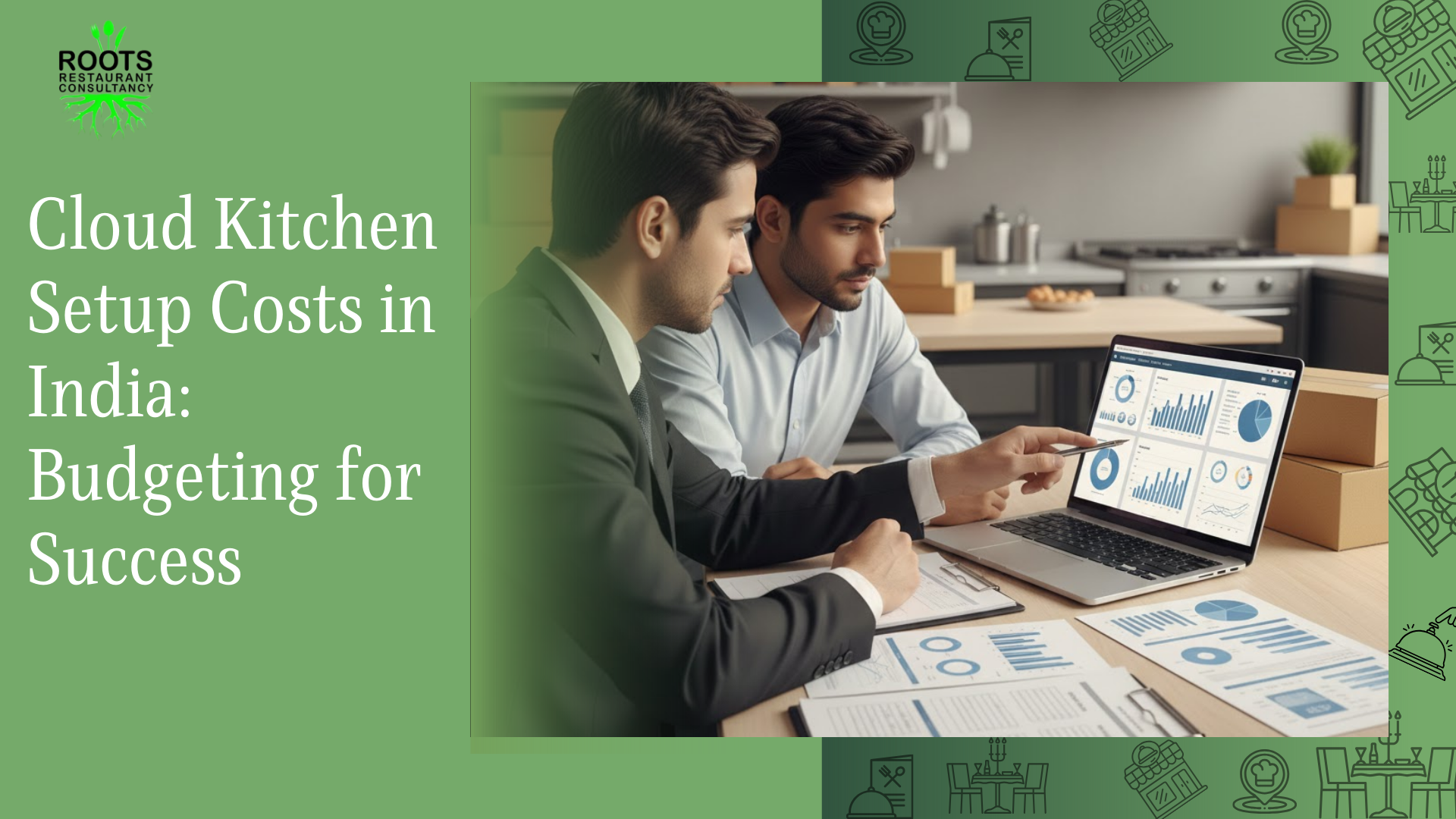
Understanding Cloud Kitchen Setup Costs in India
India’s food delivery market has grown rapidly with the expansion of apps like Swiggy and Zomato. This shift has made delivery-first businesses attractive to new entrepreneurs. However, before starting, owners must carefully evaluate cloud kitchen setup costs to ensure realistic planning and long-term sustainability.
A cloud kitchen operates without dine-in facilities, reducing real estate, manpower, and interior expenses. Still, several components—equipment, branding, licensing, staffing, and inventory—shape the total investment. This guide breaks down each cost factor and helps aspiring owners prepare a practical, reliable budget.
Key Components That Shape Cloud Kitchen Setup Costs
Multiple factors influence how much you will spend when establishing a delivery-based kitchen. Understanding these cost drivers prevents unnecessary overspending and ensures your investment aligns with expected returns.
1. Location and Rental Expenses
Choosing the right space is essential. A delivery-focused kitchen does not need a prime location, but it must sit within high-demand delivery zones. Factors like ventilation, drainage, power backup, and accessibility for delivery partners affect both efficiency and cost.
Typical Monthly Rent Range:
₹20,000 to ₹60,000 (varies by city and neighborhood)
Roots Restaurant Consultancy helps entrepreneurs select locations that balance cost and operational efficiency.
Explore services: https://rootsrestaurantconsultancy.com/services/
2. Kitchen Equipment and Infrastructure Costs
A large part of cloud kitchen setup costs goes toward kitchen equipment. The type of cuisine determines the tools and appliances required.
Essential equipment includes:
- Stove or induction cooktops
- Refrigerators and freezers
- Exhaust and ventilation units
- Prep counters and stainless-steel tables
- Chopping boards, utensils, and cookware
- Packaging and dispatch counters
Estimated Equipment Cost Range:
- Small, single-cuisine kitchen: ₹1.5–₹3 lakh
- Multi-cuisine or high-output kitchen: ₹3–₹6 lakh
Infrastructure upgrades such as tiles, plumbing, drainage, and electrical fit-outs may add another ₹40,000 to ₹1.5 lakh.
3. Licensing and Regulatory Costs
Legal compliance plays a crucial role in cloud kitchen success. Several licenses are mandatory to operate a food business in India:
- FSSAI License
- Trade License
- Shop & Establishment Certificate
- Fire Safety NOC (if applicable)
- GST Registration
Estimated Licensing Costs:
₹15,000 to ₹40,000
Roots assists entrepreneurs with end-to-end licensing to avoid delays and ensure compliance.
4. Staffing and Training Costs
Unlike dine-in restaurants, delivery-only kitchens need a smaller team. Still, trained staff are essential for consistency and speed.
Typical Staffing Structure:
- 1–2 cooks
- 1 kitchen helper
- 1 packer (optional depending on volume)
Monthly Salary Budget:
₹60,000 to ₹1 lakh (total team cost)
Investing in training improves speed, hygiene, and order accuracy.
5. Technology and POS Integration
Cloud kitchens rely heavily on digital systems. A reliable POS system ensures smooth order management, aggregator integration, and real-time reporting.
Tech Requirements:
- POS software
- Inventory management tools
- Website or ordering system
- KDS (Kitchen Display System)
Estimated Cost:
₹10,000 to ₹50,000 (setup + subscription fees)
6. Branding and Marketing Expenses
Even without a storefront, branding is crucial for attracting online customers. Packaging must be appealing and durable, while brand identity needs to stand out among digital competitors.
Branding components include:
- Logo and brand colors
- Menu design
- Food photography
- Packaging design
- Social media setup
- Local SEO optimization
Estimated Branding Costs:
₹30,000 to ₹1 lakh
Roots helps businesses create strong brand identity and digital presence for better visibility on delivery platforms.
7. Initial Inventory and Raw Material Costs
Cloud kitchens must stock essential ingredients before launch. The amount depends on cuisine type and expected order volume.
Estimated Inventory Cost:
₹20,000 to ₹50,000 for initial stocking
Maintaining tight control of inventory reduces wastage and enhances profitability.
Detailed Breakdown of Cloud Kitchen Setup Costs in India
| Cost Component | Estimated Cost (INR) |
|---|---|
| Location & Rent | ₹20,000 – ₹60,000 per month |
| Rental Deposit | ₹40,000 – ₹1,00,000 |
| Equipment | ₹1,50,000 – ₹6,00,000 |
| Interior Setup | ₹40,000 – ₹1,50,000 |
| Licensing | ₹15,000 – ₹40,000 |
| Staffing | ₹60,000 – ₹1,00,000 per month |
| Technology | ₹10,000 – ₹50,000 |
| Branding | ₹30,000 – ₹1,00,000 |
| Initial Inventory | ₹20,000 – ₹50,000 |
Total Investment Estimate:
₹3.5 lakh – ₹8 lakh for a basic cloud kitchen
₹8 lakh – ₹15 lakh for an advanced or multi-brand kitchen
Smart Ways to Reduce Cloud Kitchen Setup Costs
Entrepreneurs often overspend due to lack of planning. Strategic decisions can significantly lower the total investment.
1. Start with a Focused Menu
Smaller menus reduce equipment needs, raw material stock, and wastage.
2. Use Shared Kitchen Spaces
Co-working kitchens drastically lower infrastructure costs.
3. Optimize Packaging Costs
Choose suppliers offering bulk rates and stable pricing.
4. Make Data-Driven Decisions
Monitor order patterns to control menu engineering, staffing, and inventory.
5. Consult Industry Experts
Professional guidance helps allocate budgets efficiently and prevent avoidable expenses.
Roots Restaurant Consultancy supports entrepreneurs with feasibility studies, vendor management, menu planning, and complete setup assistance.
Explore services: https://rootsrestaurantconsultancy.com/services/
Conclusion: Planning Cloud Kitchen Setup Costs for Long-Term Success
Understanding cloud kitchen setup costs is essential for building a sustainable and scalable delivery business in India. With thoughtful planning, the right equipment, and strategic branding, cloud kitchens can achieve strong profit margins even with moderate investment.
Working with experienced consultants helps entrepreneurs avoid mistakes, streamline setup, and ensure that every rupee is used efficiently. With the correct budget roadmap, your cloud kitchen can grow quickly and compete effectively in India’s booming delivery market.